Book the tickets
Booking hours:
9.00am-13.00pm
Monday- Friday
Reservations are accepted up to 3 months in advance of your arrival date
+48 33 823 35 65
+48 33 823 26 62
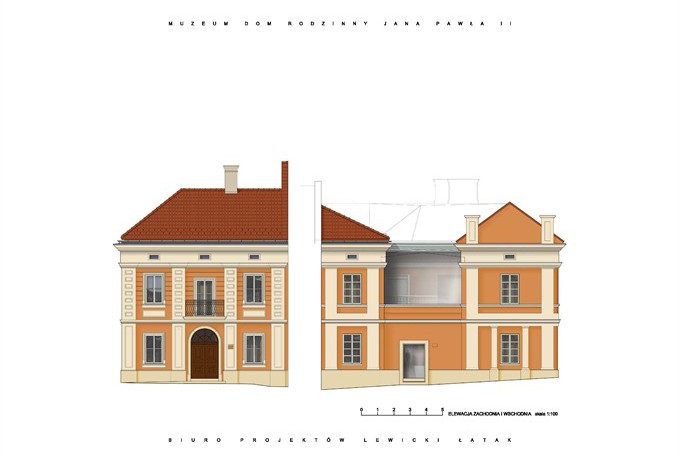
The front of the tenement building will be restored to its original appearance dating back to the 1920’s and the Museum will take up the entire renovated building. The renovated three-room flat of the Wojtyłas on the second floor will preserve its family home character and remain the heart of the Museum. However, the project provides for presenting various aspects of Karol Wojtyła’s later life. The first room will recreate the atmosphere of a complete family whereas in the second one the mother’s presence will fade away since she passed away when Karol was just nine years old; the third room will evoke another tragic event – the death of his brother – with its austere interior in which the orphaned Karol lived alone with his father.
The space will increase from 200 square meters originally to 1,000 square meters on four floors, thanks to, among other things, the expansion and adaptation of the basement and attic. Numerous multimedia, animation and surprisingly authentic components of the display will vividly bring the meetings between Pope John Paul II and other people to life. Effective interaction with the visitors will keep the Museum alive and entice them to come back.
The Holy Father John Paul II Family Home was designed by Kłaput Project Design Studio which developed the design for (among others) the Museum of the Warsaw Uprising, an institution generating great interest of the general public. Barbara and Jarosław Kłaputs’ project offers a unique insight into the Pope’s personality and an unconventional take on his teaching and message. Biuro Projektów Lewicki Łatak Architectural Engineers developed the construction design of the building. The new Museum will open in the first quarter of 2013 –
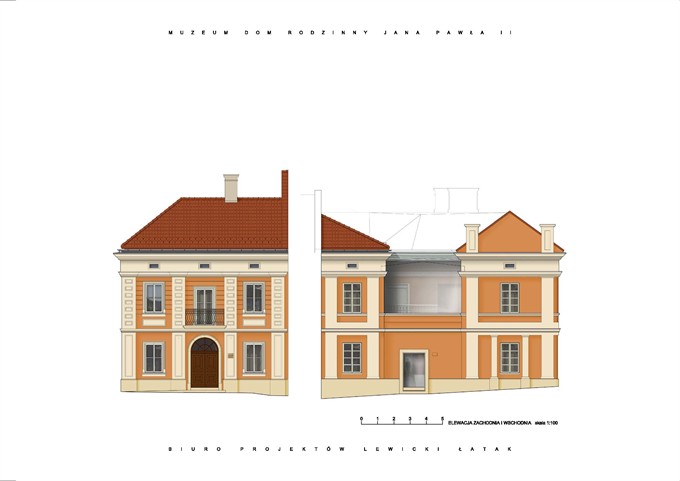
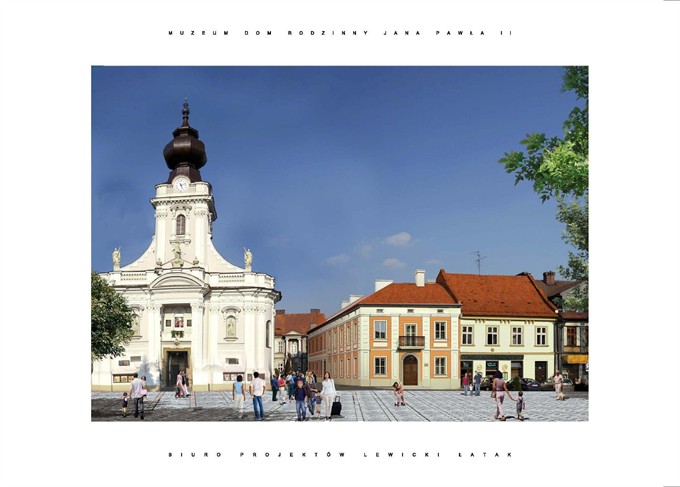
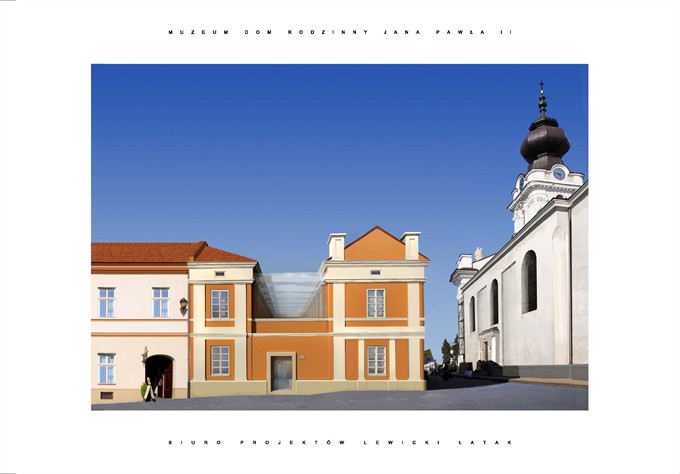
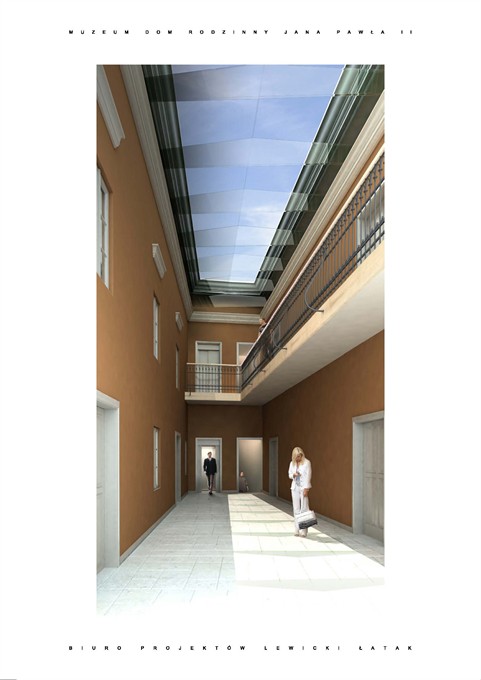
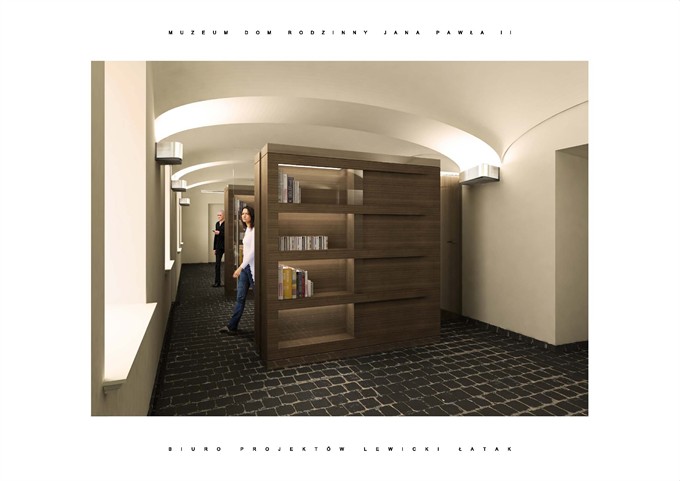
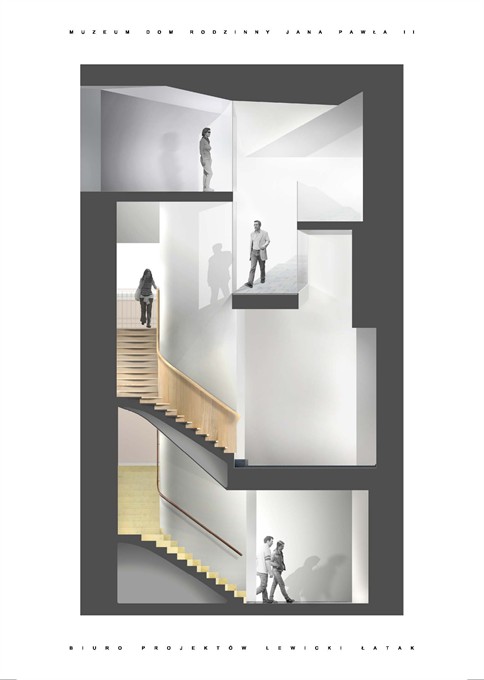
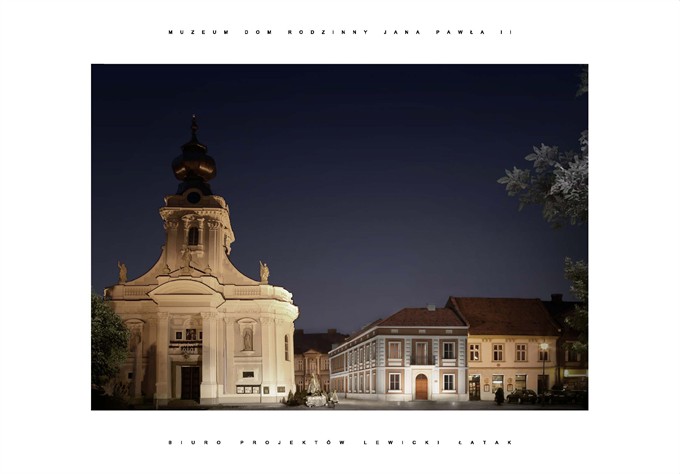
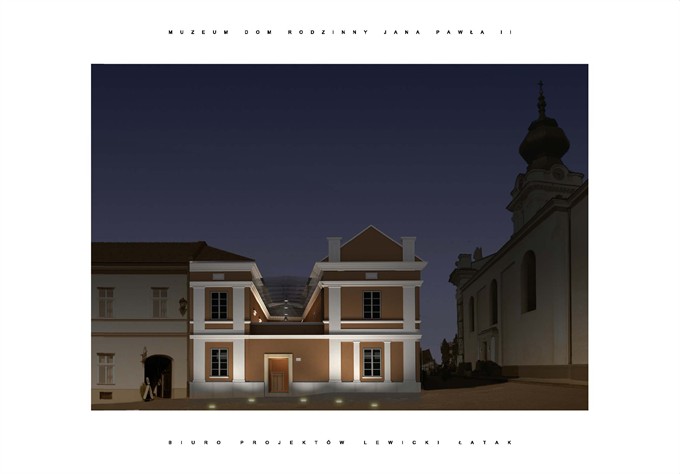
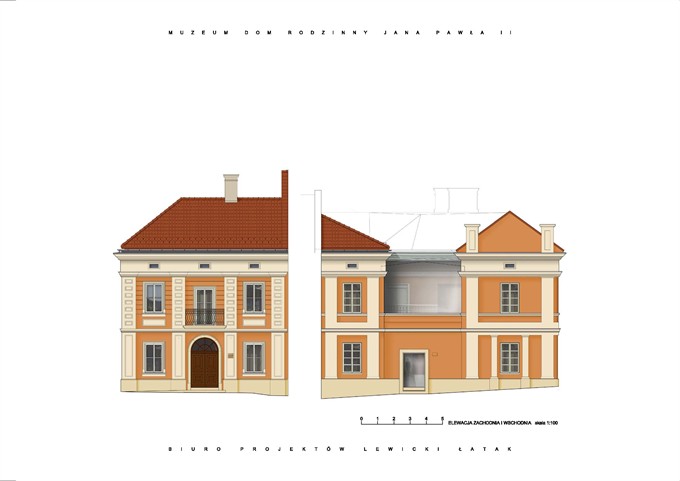
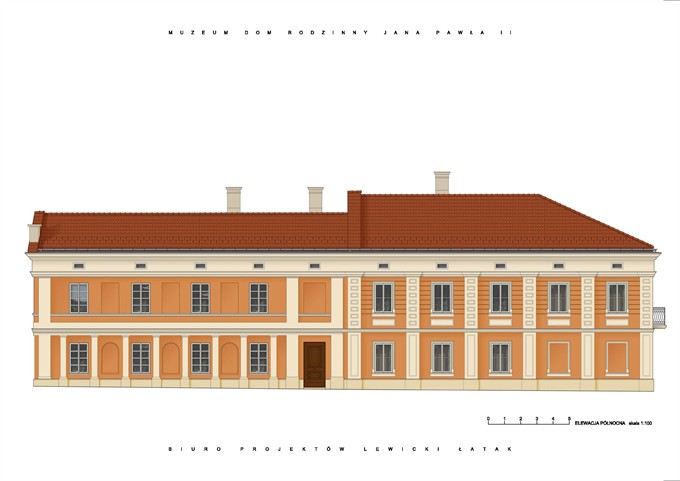
The design was presented on October 5, 2010 at the official groundbreaking ceremony to start the reconstruction of the Holy Father John Paul II Family Home Museum.
The project is financed with an EU grant under “Priority 3.3 Scheme A: Development of Cultural Infrastructure of the Małopolska Regional Operational Programme 2007-2013”.
